POLARIS Sltx Pro Intake Manifold 174121947308 1050 140
fits model: Sl, Slx, Msx, Txi, 900, 1200, Virage, Genesis. make: Polaris.
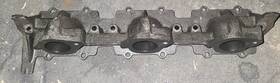
( Part Type: Intake Manifold ), ( UPC: 174121947308 )
Review POLARIS Sltx 1050 Pro 140 Intake Manifold fits VIRAGE GENESIS SL SLX MSX TXI 900 1200
The **Polaris 174121947308 SLX 900/1050/1200 Pro SLX MSX 140 Virage TXi Genesis Intake Manifold** is a precision-engineered component designed to maximize performance, efficiency, and reliability across Polaris high-performance snowmobile models, including the legendary SLX, MSX, and Virage series. Crafted from high-grade aluminum alloy, this intake manifold is built to withstand the demanding conditions of off-road use while delivering optimal airflow to the engine s intake system. Its sleek, aerodynamic design ensures minimal turbulence, allowing for improved throttle response, smoother power delivery, and enhanced overall engine efficiency critical for both aggressive riding and long-distance cruising. The manifold features a robust mounting system with precise alignment points, ensuring a secure and vibration-dampened fit that prevents leaks and maintains structural integrity under heavy loads. Whether you re tackling deep powder, carving through icy trails, or pushing the limits on the track, this manifold is engineered to support the aggressive performance of the TXi and Genesis engine platforms, providing a seamless connection between the air filter and intake ports. For riders who demand nothing less than peak performance, this intake manifold is a direct upgrade that complements the power and precision of Polaris most advanced snowmobile models.
### **Pros and Cons of Buying a Polaris SLX 900/1050/1200 (SLTX, MSX, Virage, TXi, Genesis, Intake Manifold, Pro SLX, etc.)**
Polaris SLX models (900cc, 1050cc, and 1200cc) are popular off-road and trail motorcycles known for their versatility, power, and rugged design. Below is a detailed breakdown of their advantages and disadvantages, followed by a conclusion and recommendation.
---
### **Pros**
1. **Power and Performance**
- The SLX lineup offers strong engine options, with the **1200cc** providing the most torque and acceleration, making it ideal for aggressive riding, towing, or heavy-duty trail work.
- The **1050cc** and **900cc** models are more fuel-efficient and easier to handle, suitable for lighter riders or those prioritizing agility.
- The **TXi (Turbocharged)** and **Genesis (high-performance variant)** models deliver extra power for better hill climbing and sustained speed.
2. **Versatility and Use Cases**
- Designed for **off-road, trail riding, and light adventure touring**, the SLX is capable on dirt, gravel, and light pavement.
- The **SLTX (Sport Trail)** variant offers a more aggressive stance and sportier handling, appealing to riders who want a mix of trail and track capability.
- The **MSX (Modular Sport X)** and **Virage** models provide refined ergonomics and comfort for longer rides, making them suitable for dual-sport enthusiasts.
3. **Durability and Build Quality**
- Polaris SLX models are built with **heavy-duty components**, including reinforced frames, high-capacity suspension, and robust drivetrains, ensuring longevity in rough conditions.
- The **intake manifold upgrades** (commonly found in aftermarket or factory Genesis models) improve airflow and power, extending the engine s lifespan with proper maintenance.
4. **Reliability and Maintenance**
- Polaris engines are known for **fewer issues compared to some competitors**, with straightforward maintenance requirements.
- The **1200cc and 1050cc models** have proven track records for durability, especially in commercial and agricultural applications.
- The **Pro SLX** (a more rugged variant) is designed for **heavy-duty use**, such as farming or construction, with reinforced parts and better cooling.
5. **Aftermarket Support and Customization**
- The SLX platform has a **strong aftermarket presence**, with available upgrades for exhausts, suspension, intake systems, and performance tuning.
- The **Genesis model** (a high-performance variant) is often used as a base for further modifications, appealing to tuners.
- The **SLTX and Virage** models allow for easier customization due to their sportier and more accessible designs.
6. **Comfort and Ergonomics**
- The **MSX and Virage** models feature **upright riding positions**, reducing fatigue on long rides.
- Adjustable seats and handlebars (on some models) improve adaptability for different riders.
- The **1050cc and 900cc** are lighter, making them more manageable for shorter riders or those new to adventure bikes.
7. **Resale Value**
- Polaris SLX models, especially the **1050cc and 1200cc**, hold their value relatively well due to their reputation for reliability and performance.
- The **TXi and Genesis variants** may retain value better among performance-oriented buyers.
8. **Towing and Utility Features**
- The **1200cc and Pro SLX** models can handle **light towing (up to 1,000 1,500 lbs with proper accessories)**, making them useful for campers or small trailers.
- Some models come with **optional luggage racks and storage solutions**, enhancing practicality.
---
### **Cons**
1. **Weight**
- The **1200cc and SLTX models** are **heavy (over 500 lbs fully fueled)**, which can make maneuvering in tight trails or urban areas more difficult.
- The **900cc** is lighter but may feel underpowered for aggressive riders or those used to larger bikes.
2. **Fuel Consumption**
- The **1200cc and TXi models** are **thirsty**, consuming **5 7 L/100 km (10 14 mpg)** in mixed riding conditions.
- The **900cc and 1050cc** are more efficient ( 6 9 L/100 km or **26 33 mpg**), but still higher than standard street bikes.
3. **Suspension and Ride Quality**
- The **stock suspension on the SLX** can be **too stiff for rough terrain**, leading to fatigue on long rides.
- The **SLTX and Virage** have slightly better suspension tuning, but aftermarket upgrades (e.g., **Progressive or hlins**) are often recommended for comfort.
4. **Cost of Ownership**
- **Maintenance and repairs** (especially on the **1200cc**) can be expensive due to specialized parts and labor.
- **Tires and brakes** wear out quickly in off-road conditions, adding to ongoing costs.
- The **TXi and Genesis models** may require more frequent oil changes and cooling system checks due to turbocharging.
5. **Limited Comfort for Long Distances**
- While the **MSX and Virage** improve ergonomics, the **SLX is not designed for long-distance touring** like a **Can-Am Outlander or BMW GS**.
- Wind protection and seating comfort are **not as refined** as on dedicated adventure bikes.
6. **Noise and Vibration**
- The **stock exhaust and engine noise** can be **loud and intrusive**, especially on the **1200cc and TXi models**.
- Vibration levels are **moderate but noticeable** at higher RPMs, which may cause fatigue over time.
7. **Learning Curve for Off-Road Riding**
- The **SLX s weight and power** require **proper off-road skills** to handle safely, especially in loose or technical terrain.
- New riders may struggle with **cornering, braking, and weight transfer** compared to lighter dual-sports.
8. **Limited Stock Availability and Long Wait Times**
- Polaris has **reduced production** of some SLX models in recent years, leading to **long waitlists** for new units.
- Used market prices can be **high due to demand**, especially for well-maintained examples.
9. **Electronics and Tech Limitations**
- While modern SLX models have **basic digital dashboards**, they lack **advanced features** like **trail cameras, advanced ABS, or connected tech** found on newer adventure bikes.
- Some riders find the **stock electronics less intuitive** than competitors like **KTM or BMW**.
10. **Resale Depreciation**
- Like most motorcycles, SLX models **lose value quickly** after purchase, especially the **higher-performance variants (TXi, Genesis)**.
- The **Pro SLX and commercial models** may depreciate slower due to niche demand.
---
### **Conclusion**
The **Polaris SLX (900cc, 1050cc, 1200cc, SLTX, MSX, Virage, TXi, Genesis)** is an **excellent choice** for riders who prioritize **power, off-road capability, and durability** over long-distance comfort or advanced tech. It excels in **aggressive trail riding, towing, and heavy-duty use**, making it a favorite among **adventure enthusiasts, farmers, and riders who enjoy pushing limits**.
However, it is **not ideal** for:- **Beginners** who need a lighter, more forgiving bike.
- **Long-distance touring** without significant modifications.
- **Urban or pavement-only riding** due to weight and suspension stiffness.
- **Budget-conscious buyers** due to high fuel and maintenance costs.
The **best SLX model for you depends on your needs:**- **900cc** Best for **lightweight riders, beginners, or those wanting fuel efficiency**.
- **1050cc** **Balanced choice** for most riders, offering power without excessive weight.
- **1200cc / TXi** **Best for power and towing**, but heavier and more expensive to run.
- **SLTX / Virage** **Sportier and more agile**, great for riders who want a mix of trail and track capability.
- **MSX** **Most comfortable for mixed riding**, with upright ergonomics.
- **Pro SLX / Genesis** **Best for heavy-duty use or performance tuning**, but requires more maintenance.
---
### **Recommendation**
**Buy a Polaris SLX if:**You **prioritize off-road performance and durability** over comfort.
You **ride mostly trails, dirt roads, or light adventure routes**.
You **need a bike that can handle towing or heavy-duty work**.
You **plan to invest in aftermarket upgrades** (suspension, exhaust, intake
Details:
Manifold is in good working condition.
part #: 174121947308 prices
- $18.75-$29.99
specifications jetskiintakeez:
- for models: Sl, Slx, Msx, Txi, 900, 1200, Virage, Genesis
- for makes: Polaris
- part type: Intake Manifold
- upc: 174121947308
offer jetskiintakeez:
- availability: In Stock
- options: Ship-to-home
- started: June 11, 2026
- sold: 0
- quantity: 1
payments jetskiintakeez:
- other
- wallet: Paypal
- credit card: Mastercard
shipping jetskiintakeez:
- class: Economy, Standard
- transit: 4-11 Days
- service: UPS Ground Saver, Economy, Standard
- carrier: UPS
- type: Fixed
- cost: $0.00
general jetskiintakeez:
- Parts Accessories > Personal Watercraft Parts > Intake Fuel Systems
- condition: Used
returns jetskiintakeez:
- time: 30 Days
- paid by: Buyer
- policy: Returns Accepted
seller jetskiintakeez:
- # reviews: 89
- rating: 100.0%
- city: Washburn, Wisconsin
Polaris 174121947308 Is Similar To:
- 00451848 Polaris Msx 150 Oil (28.1% similar) New polaris msx 150 oil filter can only guarantee this will fit the years and model's above. OAS mission statement: to get people back on the water as fast possible with quality used parts at a reasonable price and service...(November 3rd, 2017)
- 007-487-01 Wsm Flame Arrestor Gasket For Polaris Pro (15.2% similar) It must also be in the original packaging. Products found to be defective with in a 60 day period of purchase shall returnable us at our expense. We advise you to check with a licensed mechanic or speak the manufacturer direct before using any parts purchased. Electronic parts must go back to the ...(July 18th, 2018)
- 007-487-02 Wsm Carburetor Gasket For Polaris Pro (15.6% similar) Products found to be defective with in a 60 day period of purchase shall returnable us at our expense. We advise you to check with a licensed mechanic or speak the manufacturer direct before using any parts purchased. Because issues are often solved over the phone with tech support, call ...(July 18th, 2018)
- 007-536 Wsm Flame Arrestor Gasket For Polaris Slx (15.5% similar) Oversized and hazardous items typically ship by truck can have substantial shipping costs. Because issues are often solved over the phone with tech support, call manufacturer first and be sure to get name of whoever you speak if need. Catalogue images for rad part number: ad it must also be in the ...(July 18th, 2018)
- 04-0470 Watercraft Reeds Polaris Series Pro Pro79 Kawasaki (26.5% similar) ...(December 6th, 2014)
- 0451388 Polaris Oem Jet-ski Valve-intake (28.6% similar) ...(December 29th, 2017)
- 0451405 Polaris 2004 Msx 110 (29.8% similar) Please review all the pictures before you bid or send a offer. We recently parted out a very clean all fresh water use 2004 polaris msx 110 jet ski wave runner. What you see in the pictures is will receive. Throttle body in good condition...(January 17th, 2018)
- 0451465 Polaris 2004 Msx150 Msx (30.6% similar) ...(April 2nd, 2017)
- 0451576 Polaris Hour Camshaft Cam Shaft Msx (22.1% similar) Communication questions: is good, both after and before the sale. Happy buying. No corrosion, the bearings and inner shaft are good. Sorry for the long read. This polaris SAM. The following part was removed from a great running freshwater only 2004 MSX110 with 128 original hours. Read the offer ...(April 16th, 2018)
- 0451903-0451999 Polaris Hour Msx (20.8% similar) Rod is in great shape. Rod, connecting is used in the following model's and ASSEMBLIES: 2004 msx 110 W045304CA - piston rod IA CB Ibo cc IC 2004 150 W045305CA IE ICC CD id if this polaris kit, SAM. Happy buying. Sorry for the long read. Communication questions: is good, both after and before the ...(June 15th, 2018)
- 0451942 Polaris Hour Water Pump Impeller Msx (26.3% similar) Happy buying. Sorry for the long read. The following part was removed from a great running freshwater only 2004 MSX110 with 128 original hours. This polaris impeller is used in the following model's and ASSEMBLIES: 2004 msx 110 W045304CA - water pump IA CB Ibo cc IC 2004 150 W045305CA IE ICC CD ...(April 16th, 2018)