SEA-DOO 293000081 Cap
fits model: Gtx. make: Sea-doo. year: 1998.
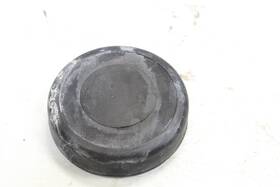
( Manufacturer Part Number: 293000081 ), ( Type: Gas Cap ), ( Country Of Origin: Canada )
Review SEA DOO Oem Decorative Cap fits GTX 1998
The **Sea-Doo GTX Cap (Part Number: 293000081, Model Year: 1998)** is a meticulously engineered accessory designed to enhance both the performance and aesthetics of the iconic 1998 Sea-Doo GTX personal watercraft. Crafted from high-quality, durable materials, this cap is specifically tailored to fit the GTX s sleek, aerodynamic design, ensuring a snug and secure seal that minimizes drag while maximizing speed and handling. The cap features a precision-molded rubber gasket, engineered to withstand the rigors of high-speed water travel, preventing water intrusion and maintaining optimal engine cooling efficiency. Its streamlined shape reduces turbulence, allowing the GTX to cut through the water with greater ease, which is particularly beneficial for riders seeking improved fuel efficiency and extended cruising range. Beyond its functional benefits, the cap also contributes to the GTX s distinctive visual identity, complementing the sporty, aggressive styling of the original model. Whether used for daily recreational rides or competitive racing, this cap is an essential component for preserving the GTX s performance and ensuring a seamless, exhilarating ride on the water. Its compatibility with the 1998 model underscores its importance in maintaining the integrity of the watercraft s design, making it a must-have for enthusiasts looking to restore or preserve their Sea-Doo in peak condition.
### **Pros and Cons of Buying a Sea-Doo GTX 293000081 (1998 Model)**
#### **Pros:**The 1998 Sea-Doo GTX is a classic personal watercraft (PWC) with several advantages for the right buyer.
1. **Classic Design and Reliability**
The GTX was one of the first Sea-Doo models to gain widespread popularity, and its simple, durable design has stood the test of time. Many owners report that with proper maintenance, these boats can last decades.
2. **Lower Purchase Price**
Compared to newer Sea-Doo models or other high-end PWCs, the 1998 GTX is significantly cheaper, making it an attractive option for budget-conscious buyers. Prices typically range between $2,000 and $5,000, depending on condition.
3. **Easy to Find Parts and Maintenance**
Being an older model, parts for the GTX are still relatively accessible, though availability may be limited compared to newer Sea-Doos. Basic maintenance (oil changes, spark plugs, etc.) is straightforward and cost-effective.
4. **Simple Operation**
The GTX is designed for ease of use, with a straightforward control layout and a manageable weight (around 400 450 lbs when dry). This makes it ideal for beginners or casual riders who don t need advanced features.
5. **Good for Small Watercraft Enthusiasts**
If you enjoy the simplicity of older PWCs and don t require the latest technology (like GPS, Bluetooth, or high-performance engines), the GTX offers a no-frills riding experience.
6. **Potential for Restoration and Customization**
Many owners enjoy restoring or modifying their GTXs, giving them a unique, personalized watercraft. The open design allows for easy upgrades, such as swapping out seats, adding storage, or improving the exhaust system.
7. **Fuel Efficiency**
The 90 100 HP 2-stroke engine (depending on the exact variant) is relatively fuel-efficient for its class, though modern 4-stroke engines may offer better longevity and environmental friendliness.
---
#### **Cons:**While the GTX has many strengths, there are several drawbacks to consider before purchasing.
1. **Outdated Technology and Safety Features**
The 1998 GTX lacks modern safety advancements such as:- **Lifeline systems** (automatic kill switches that cut the engine if the rider falls off).
- **Modern ignition systems** (older 2-stroke engines are prone to fouling and require more frequent maintenance).
- **Emission controls** (2-stroke engines produce more pollution than modern 4-stroke or electric alternatives).
- **Bluetooth or connectivity options** (no integration with apps or GPS).
2. **Reliability and Maintenance Challenges**
- **2-Stroke Engine Issues:** These engines are known for consuming oil quickly, requiring frequent top-ups (often every 5 10 hours of use). They also tend to wear out faster than 4-stroke engines, which are now the standard in newer PWCs.
- **Corrosion:** Older Sea-Doos are prone to rust, especially in the hull, exhaust, and electrical components. A thorough inspection is critical.
- **Seals and Gaskets:** Over time, seals may degrade, leading to leaks or loss of power.
3. **Limited Performance**
- The GTX is not as fast or agile as modern high-performance PWCs. Top speeds are around 50 55 mph, which is adequate but not thrilling for speed enthusiasts.
- The engine lacks the power and torque of newer 4-stroke models, making it less responsive in rough water or when carrying heavy loads.
4. **Resale Value**
The GTX has little to no resale value compared to newer Sea-Doo models. If you plan to upgrade later, you ll likely lose most of your initial investment.
5. **Environmental Concerns**
2-stroke engines are less environmentally friendly due to higher hydrocarbon emissions. Many areas have restrictions or bans on older 2-stroke PWCs, especially in eco-sensitive regions.
6. **Limited Comfort and Features**
- The seating is basic, with little to no cushioning or wind protection.
- No storage compartments or modern accessories (e.g., phone mounts, USB ports).
- The exhaust is loud and can be uncomfortable for the rider and passengers.
7. **Insurance and Registration Costs**
Older PWCs may be harder to insure, and registration fees could be higher due to their age. Some states also have restrictions on operating older, less safe models.
---
### **Conclusion**
The 1998 Sea-Doo GTX is a **great choice for buyers who prioritize affordability, simplicity, and a nostalgic riding experience** particularly if they are willing to invest time in maintenance and enjoy tinkering with their watercraft. It s ideal for:
- Casual riders who don t need high performance.
- Enthusiasts who appreciate classic designs and restoration projects.
- Those on a tight budget who are okay with the trade-offs in safety and efficiency.
However, if you re looking for **modern safety features, better fuel efficiency, higher performance, or long-term reliability**, the GTX is not the best option. Modern 4-stroke Sea-Doo models (e.g., GTI, Spark, or RXP series) offer significant advantages in these areas.
---
### **Recommendation**
**Buy the 1998 Sea-Doo GTX if:**- You find it in excellent condition with a clean service history.
- You re prepared to perform regular maintenance (oil changes, spark plug replacements, etc.).
- You enjoy the simplicity of an older PWC and don t mind its limitations.
- You plan to use it primarily for leisurely rides in calm waters.
**Avoid the 1998 Sea-Doo GTX if:**- You prioritize safety features like lifelines or modern ignition systems.
- You want a fuel-efficient, low-maintenance watercraft.
- You plan to ride in rough water or carry heavy loads frequently.
- You re concerned about environmental regulations or resale value.
**Alternative Options to Consider:**- **Used 4-Stroke Sea-Doo (e.g., 2010 GTI, Spark, or RXP):** Better reliability, safety, and performance.
- **Newer Electric PWCs (e.g., Sea-Doo Spark E or Jet Ski electric models):** Zero emissions, low maintenance, and modern features.
- **Other Classic PWCs (e.g., Yamaha Jet Ski, Kawasaki Ultra):** If you love the nostalgia but want a slightly more modern alternative.
If you decide to proceed with the GTX, **inspect it thoroughly** (hull, engine, electrical system) and consider having a marine mechanic review it before purchase. With proper care, it can be a fun and rewarding ride for years to come.
Details:
1998 SEA-DOO GTX Oem DECORATIVE CAP 293000081, This is in very good condition and shows normal signs of wear. Removed From: 1998 Sea-Doo GTX with 100 HOURS miles, Please review all pictures to assess the condition of item.
part #: 293000081 prices
- $6.99-$17.79
specifications jetskiintakeez:
- for models: Gtx
- for makes: Sea-doo
- for years: 1998
- mpn: 293000081
- type: Gas Cap
- country of origin: Canada
payments jetskiintakeez:
- wallet: Paypal
- other
- credit card: Mastercard
offer jetskiintakeez:
- quantity: 1
- sold: 0
- started: February 26, 2026
- best offers: True
- availability: In Stock
- options: Ship-to-home
seller jetskiintakeez:
- # reviews: 1965
- city: Waukesha, Wisconsin
- rating: 99.7%
general jetskiintakeez:
- condition: Used
- Parts Accessories > Personal Watercraft Parts > Intake Fuel Systems
returns jetskiintakeez:
- time: 30 Days
- paid by: Buyer
- policy: Returns Accepted
shipping jetskiintakeez:
- cost: $0.00
- service: Standard
- class: Standard
- transit: 2-6 Days
- type: Fixed
Sea-doo 293000081 Is Similar To:
- 00000000000 Seadoo Sea Doo Carburetor (42.2% similar) The gaskets used in these carbs last a very long time and are made better then ones that come kits now. Gray fuel lines and dirt in you tank will plug the tiny filter carbs. Seat will checked for leaking o ring replaced if needed. Most carbs are 150 plus shipping 951 more...(December 12th, 2017)
- 0000000000000 Sea-doo 1997 Sea Doo (41.4% similar) Fuel sending unit from a 1997 SEATO gtx. I'm sure this will fit many other years and model's...(April 3rd, 2017)
- 000456789 Seadoo Sea-doo 96 Xp (38.6% similar) First step is to install lines on fuel selector and filter cap. Pump o rings: brand new set 1 PCs cone and 2 baler of rings for SEATO 140MM housings. Carb screws: stainless steel Allen head USA made hardware to eliminate corrosion and stripped fasteners during rebuilds. I have included a couple ...(August 30th, 2017)
- 002-515 Wsm Sea-doo Alloy Cable (40.5% similar) Return items must be in original manufacturer packaging. All tags, labels and stickers must be attached...(June 29th, 2017)
- 006-611 Wsm Sea Doo Fuel Knob Switch Challenger 685867147152 (31.9% similar) Ak, pr, hi for ship quote prior to buying. Unique, marketing, and strategy consulting from as was...(March 2nd, 2018)
- 007-524-01 Wsm Sea-doo 951 Carb (40.5% similar) Oversized and hazardous items typically ship by truck can have substantial shipping costs. Sea-doo 951 carb. Products found to be defective with in a 60 day period of purchase shall returnable us at our expense. Gasket 50MM sea-doo 951 carb. It must also be in the original packaging...(January 28th, 2018)
- 008-605 Wsm Sea-doo 580 O-ring (41% similar) Oversized and hazardous items typically ship by truck can have substantial shipping costs. Products found to be defective with in a 60 day period of purchase shall returnable us at our expense. It must also be in the original packaging...(February 1st, 2018)
- 010-005 Wsm Sea Doo Tech Engine Intake Valve 685867146599 (30.9% similar) Unique, marketing, and strategy consulting from as was ak, pr, hi for ship quote prior to buying...(March 3rd, 2018)
- 010-010 Sea Doo 4tec 4-tec 685867146605 (30.4% similar) Unique, marketing, and strategy consulting from as was. Ak, pr, hi for ship quote prior to buying...(June 7th, 2017)
- 010-070 Wsm Sea Doo Gtx Rxp Rxt Timing Chain Tension Guide (36% similar) This sea-doo chain tension guide fits the following model's and components: 2004 gtx 4-TEC cylinder 4-TEC, wake supercharged head 2005 std 2008 exp 155 2006 GTI 2007 1503 na 2009 130 se rental ext 2010 special ltd sic 2003 2 pictures are part of , item comes just like you see them...(January 26th, 2019)
- 010-071 Wsm Sea Doo Gtx Rxp Rxt Timing Chain 685867146636 (40% similar) Unique, marketing, and strategy consulting from as was. Ak, pr, hi for ship quote prior to buying...(February 28th, 2018)